
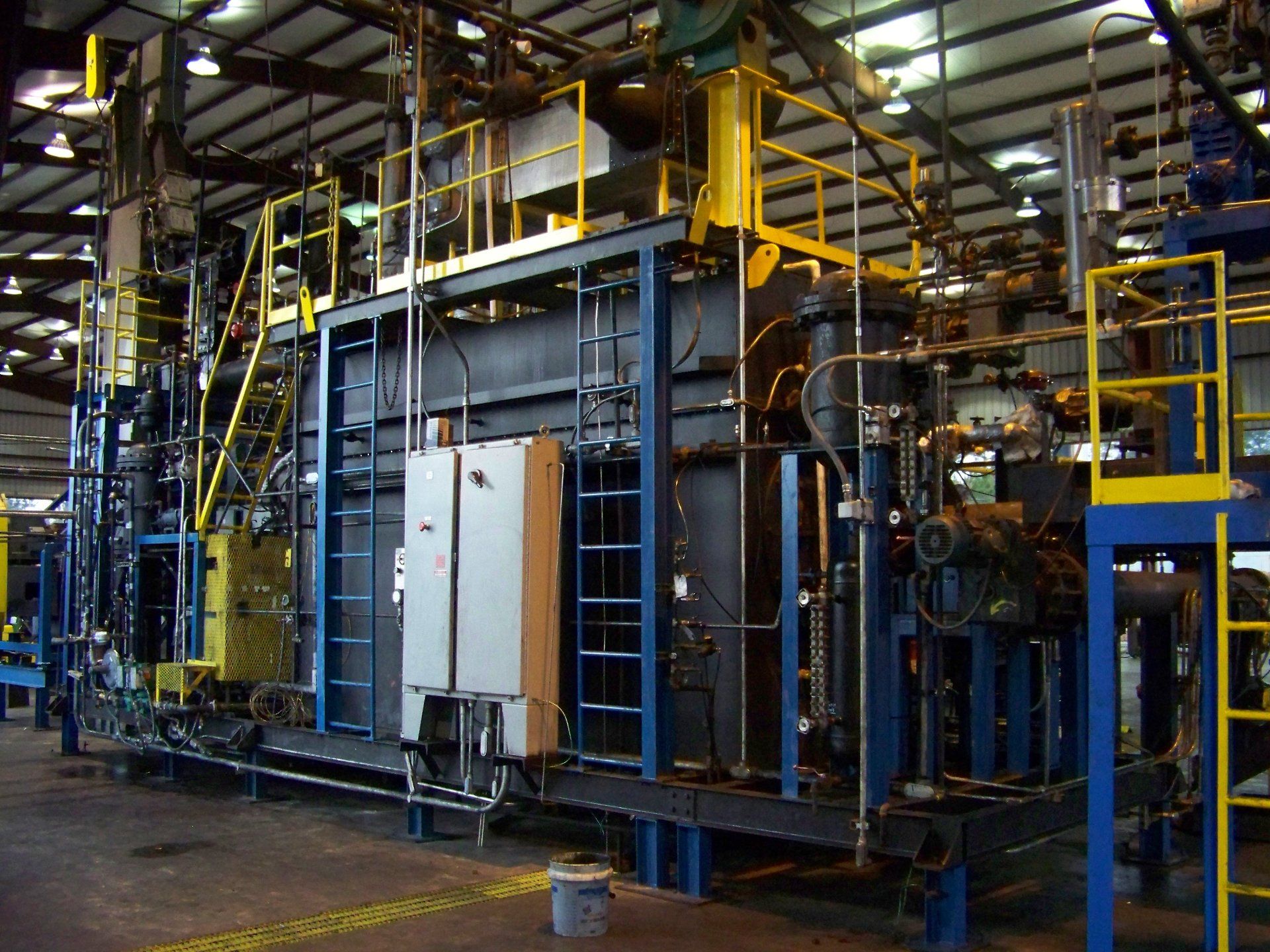
The SENS TiPs processing unit at full scale.

One process, engineered to recover everything.

The Thermal-static internal Pyrophinic system (TiPs) is a sealed, low-temperature, vacuum-driven thermal mechanical depolymerization process. Instead of burning a feedstock for its energy, it recovers the materials the feedstock already contains and returns each as a saleable product.
10,000+ hours operated at full scale across feedstocks. TRL 8.
24/7 continuous feed, self-powered after a one-time grid startup
100% of every tonne becomes product, recovered water, or sold residue
Zero waste streams. No combustion in the process.

One process. Any carbon-based feedstock.

TiPs separates a carbon-based material into its constituents, not one specific waste stream. The project types below are proven at scale, and the same low-temperature process extends to almost any carbon-based feedstock.

Proven at scale
Also in range
Railroad tiesOil sands residueMixed plasticsBiomassPetroleum coke

How the process works

Sealed and under vacuum

Feedstock enters a sealed chamber held under vacuum. Nothing is burned and nothing vents; the process is closed to the atmosphere.

Low-temperature separation

Low-temperature thermal mechanical depolymerization separates the feedstock into its constituents: carbon, hydrocarbons, water, and minerals.

Every fraction recovered

Carbon leaves as a solid product. Hydrocarbons condense into fuel oil and solvents. Moisture is captured as water. Gas is routed back to power the unit.

Continuous, self-powered

The unit runs on continuous feed, 24/7, powered by its own process gas after a one-time grid startup. Zero external fuel at steady state.

Built to scale, processor by processor

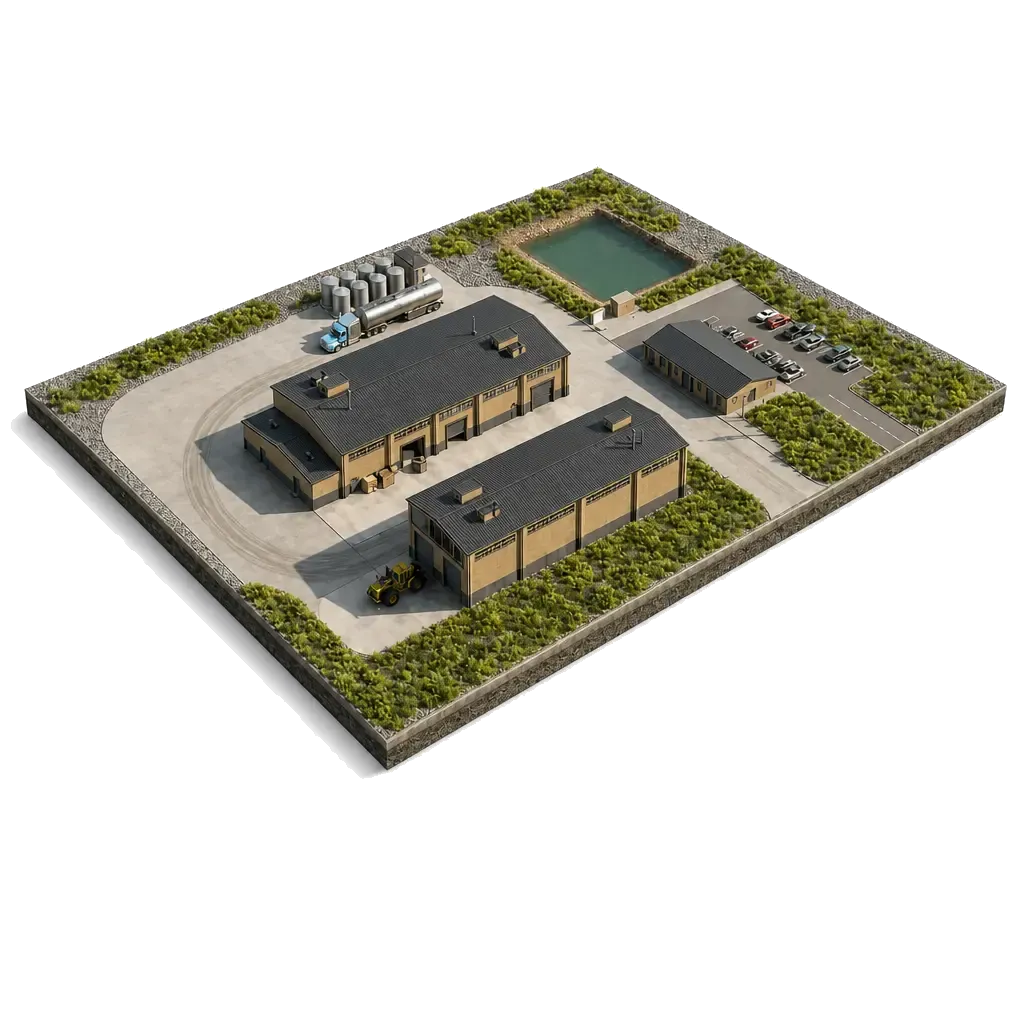
The system is modular by design. A project can start with a single processor and scale to a larger feedstock center or a regional deployment.

Isometric drawing of a modular SENS TiPs site

The material survives the process

Every incumbent route destroys value: landfills strand it, incinerators and boilers burn it, pyrolysis downgrades it. TiPs is built on the opposite premise.

RouteWhat happens to the materialWhat you get
Landfill Stranded and unused Nothing recovered
Incineration Burned for heat; the material is destroyed Ash and emissions
Pyrolysis, 400 to 800°C Cracked into lower-value byproducts Downgraded output
TiPs Preserved and separated at low temperature Carbon at grade, fuel oil, water

Zero waste streams

100% of every tonne becomes product, recovered water, or sold residue. Nothing goes to landfill.

Modular and distributed

Projects start from a single processor at the feedstock source and add processors as demand grows.

Feedstock flexible

The same process handles tires, municipal solid waste, and coal. Outputs follow the assay of what you have.

Take the technology with you.

The TiPs process and all four project types, in one document.

SENS · Combined Feedstock Brochure The TiPs technology and all four project types in one document (PDF)